

Let us contact you
What to Consider When Designing High-Performance Plastic Crate Molds
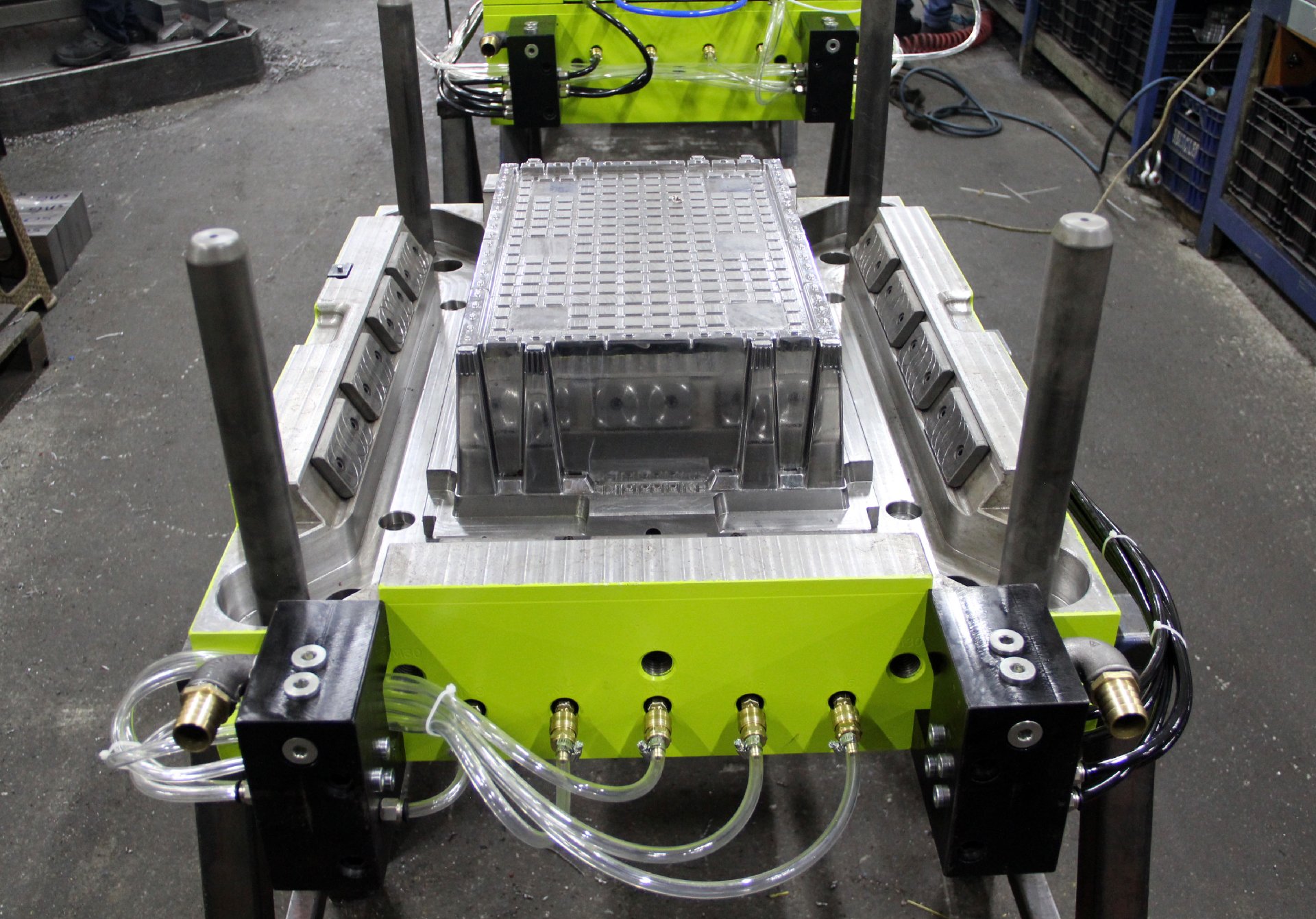
❝Learn the engineering principles behind efficient and durable plastic crate mold design.
A well-designed plastic injection mold is the foundation of efficient plastic crate production. Mold design directly affects production speed, product quality, energy consumption, and mold lifespan. Careful engineering decisions during the design stage help manufacturers achieve lower production costs and greater operational efficiency.
Accurate Product Analysis
The design process begins with a detailed evaluation of the plastic crate, including dimensions, wall thickness, load capacity, intended application, and production volume. Proper analysis minimizes dimensional errors and product deformation during manufacturing.
Efficient Cooling System
A properly engineered cooling system shortens cycle times and ensures uniform cooling of the plastic material. This improves productivity while reducing defects such as warpage and shrinkage.
Optimized Runner and Gating System
An efficient runner system distributes molten plastic evenly throughout the mold cavity. Optimized gating reduces material waste, improves filling balance, and enhances the overall surface quality of the finished product.
Durable Materials and Precision Machining
Using premium tool steel together with precision CNC machining increases mold durability and maintains consistent performance throughout long production cycles while reducing maintenance requirements.
Mold Flow Analysis and Simulation
Advanced CAD/CAM software and mold flow simulation enable engineers to identify potential manufacturing issues before production begins. Flow balance, venting, cooling efficiency, and shrinkage are optimized to improve production reliability.
Conclusion
High-efficiency plastic crate molds require professional engineering, quality materials, precision manufacturing, and advanced simulation technologies. A properly designed injection mold delivers faster production, lower costs, longer service life, and consistently high-quality plastic crates.
Search our site